
Account abstraction turns wallets into programmable smart accounts instead of raw private keys, which means DeFi users can batch multi-step swaps into one click, pay gas in ERC-20 tokens instead of scrounging for the native coin, and recover access without a seed phrase being the only lifeline. The rest of this piece walks through the mechanics behind ERC-4337, the real security tradeoffs it introduces, and a checklist for shipping it safely.
TL;DR:
- Users can now batch multiple DeFi actions into one transaction, significantly reducing gas costs and transaction failures for approvals and swaps.
- Smart accounts enable functionalities like gas sponsorship, social recovery, spending limits, and scheduled automation, improving security and usability.
- Implementation depends on robust validation, safe recovery options, and reliable bundler selection to prevent potential Denial-of-Service or centralization risks.
- Testing should include simulation, edge-case fuzzing, and end-to-end recovery flows to ensure safety before deployment.
- Adoption is strongest on Layer 2 networks where lower costs make bundler and sponsor models more practical for everyday use.
Table of Contents
- What Is Account Abstraction in DeFi Wallets?
- How Does an ERC-4337 UserOperation Actually Get Processed?
- What Concrete Benefits Does This Bring to DeFi Wallets?
- What New Security Risks Does Account Abstraction Introduce?
- How Do You Implement and Test Account Abstraction Safely?
- Where Is Account Abstraction Already Working in DeFi?
- Why Omnirout Cares About Account Abstraction
- Compare Routes Before You Commit to a Swap
- Key Specs and Docs Worth Reading Next
- Sources
What Is Account Abstraction in DeFi Wallets?
Every Ethereum wallet you have used up to now is probably an externally owned account, or EOA. An EOA is controlled by a single private key, and that key has to sign every transaction and hold the native gas token to pay for it. Lose the key, and the funds are gone. Want multi-sig, spending limits, or session keys? You cannot bolt those onto an EOA. It only understands one thing: a valid signature from one key.
Smart contract accounts flip that. The account itself is code, so it can define its own rules for what counts as a valid transaction. That is account abstraction, and it exists because EOAs were never designed for the way people actually use DeFi today, batching approvals, swaps, and staking in sequences that a single-key wallet handles clumsily.
There are two broad paths to get there:
- Protocol-level AA changes the base Ethereum consensus rules, a heavier lift that has stalled in favor of faster options.
- ERC-4337, a higher-layer standard, gets the same programmability live today without touching consensus, which is why it has become the dominant implementation across EVM chains.
The friction this solves in DeFi is concrete: a new user showing up with zero ETH cannot even approve a token, let alone swap it. Smart accounts remove that dead end.
How Does an ERC-4337 UserOperation Actually Get Processed?
ERC-4337 replaces a normal transaction with a UserOperation, a pseudo-transaction object that describes what the smart account wants to do. It does not touch consensus rules at all. Instead, it relies on an alternate mempool and a set of off-chain actors called bundlers to get the job done, which is what let it ship without a hard fork.
Here is the sequence, step by step:
- Construction. The wallet builds a UserOperation containing the call data, gas limits, and (if needed)
initCodeto deploy the account. - Submission to the alt mempool. Bundlers watch this separate mempool rather than the standard transaction pool.
- Simulation. Before including anything, a responsible bundler simulates the operation to check it will not revert and does not violate storage access rules. This step is what keeps the alternate mempool usable instead of getting flooded with junk.
- Bundling. The bundler packages one or more valid UserOperations into a single real transaction calling
EntryPoint.handleOps. - Verification loop. EntryPoint calls each account's
validateUserOpfunction, which checks the signature or custom logic and confirms the account can pay (directly or through a paymaster). - Execution loop. Once every operation in the bundle passes verification, EntryPoint executes the actual calls.
Two other pieces matter here. A factory contract using CREATE2 lets a smart account have a valid, predictable address before it is ever deployed, so users can receive funds first and deploy on first use. And a paymaster can step into the verification loop to sponsor gas entirely or accept payment in an ERC-20 token instead of ETH, a capability built into native account abstraction designs.
The ERC-4337 specification treats validateUserOp as the hardened, minimal surface of the whole system. Everything downstream assumes that function did its job correctly, which is exactly why it deserves more scrutiny than any other line of code in your account contract.
What Concrete Benefits Does This Bring to DeFi Wallets?
The headline benefit is batching. A user swapping a token normally needs two transactions: approve, then swap. With a smart account, both actions collapse into one signed UserOperation, cutting a step users routinely abandon halfway through and trimming cumulative gas along the way, a pattern Ethereum's own roadmap calls one of the more transformative DeFi upgrades AA enables. Reviewing what a batch actually approves matters just as much as executing it, and tools that check token approval risk are worth building into that flow.
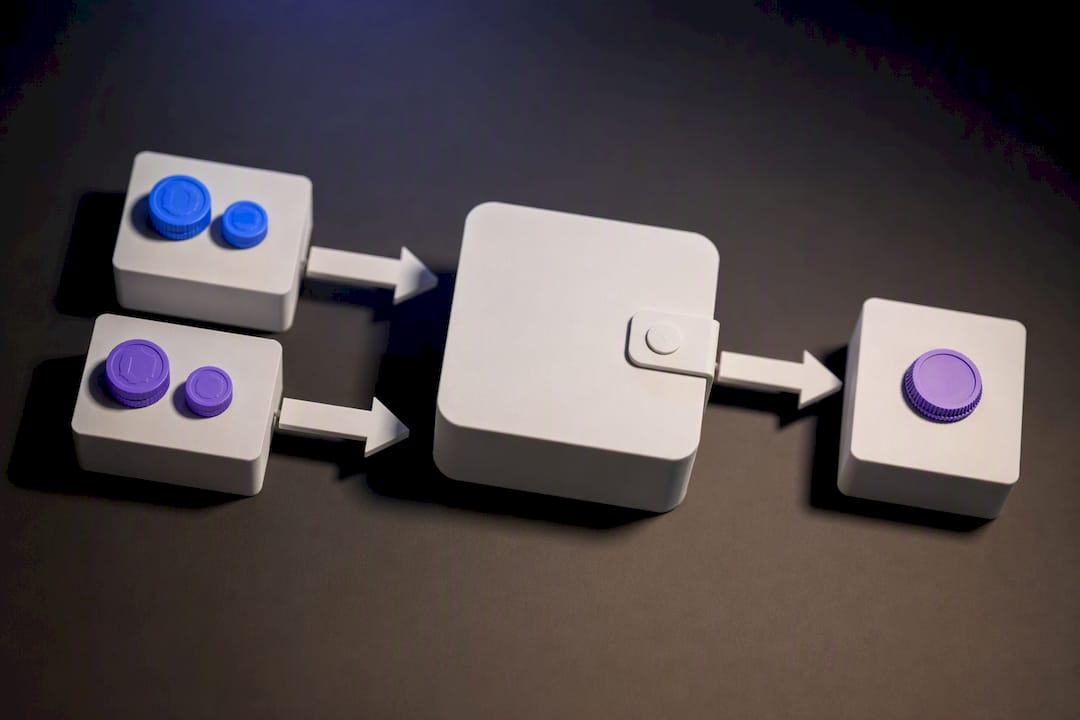
Gas abstraction removes a second dead end: new users with no native token can still transact because an app sponsors the fee or the account pays in the ERC-20 it already holds.
Beyond convenience, programmable accounts open real security patterns:
- Social recovery through trusted guardians, no seed phrase required
- Multi-signature approval for larger transactions
- Spending limits and time locks that cap damage from a compromised session
- Scheduled automation for rebalances or recurring DeFi positions
Pro Tip: Design your spending limits around a rolling window, not a fixed daily reset. A flat midnight reset lets an attacker drain a limit twice in one calendar day by timing transactions just before and after the boundary.
What New Security Risks Does Account Abstraction Introduce?
The flexibility that makes smart accounts useful also makes them fragile in new ways. Bad validateUserOp logic can permanently lock an account, since there is no universal key to fall back on the way there is with an EOA, a risk documented clearly in implementation writeups. Design a fail-safe recovery path before you ship anything.
Other risks worth planning around:
- Bundler-level DoS and mempool spam. Unsimulated or malicious UserOperations can clog the alt mempool if bundlers skip validation.
- Protocol compatibility gaps. Some DeFi contracts still assume
msg.senderbehaves like an EOA; wrappers or adapters usually close that gap. - Bundler centralization. Relying on one bundler service creates a single point of failure for transaction inclusion.
- Paymaster policy risk. A sponsor with loose rules can be drained or manipulated, so paymaster logic needs the same audit rigor as the account contract itself.
How Do You Implement and Test Account Abstraction Safely?
Shipping AA features for a DeFi product comes down to four decisions and a testing regimen that treats validation code as the highest-risk surface in the stack.
- Pick an account template. Start from an audited base rather than writing
validateUserOpfrom scratch. - Design the factory and
initCode. Decide how and when the account deploys, and confirm the counterfactual address behaves correctly before funds ever arrive. - Choose a paymaster model. Full sponsorship, ERC-20 fee payment, or a hybrid, each carries different centralization and cost tradeoffs.
- Simulate before you trust. Run UserOperations through local simulation and against real bundler RPC endpoints, then fuzz
validateUserOpagainst malformed and edge-case inputs. - Test recovery end to end. Actually trigger the guardian or multi-sig recovery flow in a test environment; do not assume it works because the code compiles.
Pro Tip: Watch out for validateUserOp reading storage that other operations in the same bundle can change. The spec's own guidance on this atomicity issue is easy to skip and hard to debug after the fact.
On the operations side, pick bundlers with a track record of uptime, keep a fallback gas-payment path if your paymaster goes down, and build upgradeability into the account so a bug does not mean starting over. On the UX side, show users plainly when gas is sponsored, let a single confirmation cover an entire batch, and make recovery flows discoverable before they are ever needed.
Where Is Account Abstraction Already Working in DeFi?
The clearest wins today cluster around three flows: atomic approve-and-swap sequences, gasless onboarding for first-time users, and scheduled positions like recurring buys or rebalances. Widespread deployment of ERC-4337 across EVM-compatible chains has made all three viable without waiting on a base-layer upgrade.
Layer 2 networks are where adoption has moved fastest, since lower execution costs make bundler operations and paymaster sponsorship economically sane in ways they are not on an expensive mainnet.
If you are pairing AA with an existing DeFi front end:
- Audit which contracts assume EOA-style
msg.senderbehavior before you route smart account calls through them - Confirm your multi-hop routing logic can pack multiple calls into a single UserOperation without breaking slippage checks
- Test wallet categories broadly rather than one specific vendor's implementation
Why Omnirout Cares About Account Abstraction
Programmable accounts let an aggregator present gas-aware routes upfront instead of discovering a failed transaction after the fact. Batching approvals and swaps into one UserOperation also cuts the slippage and overhead that pile up across multi-hop cross-chain paths, which is exactly the kind of routing math Omnirout's comparison engine is built to expose before you commit funds.
— Emanuele
Compare Routes Before You Commit to a Swap
A non-custodial DEX and bridge aggregator lets you compare fees, gas costs, and slippage across many blockchains before a transaction ever leaves your wallet, whether that wallet is a traditional EOA or an account-abstraction smart account.
As more wallets adopt batching and sponsored gas, the routes worth taking change too: a path that looked cheapest under standard EOA gas pricing might not stay cheapest once a paymaster sponsors part of the fee. Omnirout's route comparison surfaces those differences instead of hiding them behind a single quoted price, and it never asks for custody of your keys to do it. If you are building or using a smart contract wallet and want to see how routing costs actually stack up across chains, visit Omnirout and run a comparison on your next swap or bridge before you confirm it.
Key Specs and Docs Worth Reading Next
- The ERC-4337 specification is the primary source for UserOperation structure, EntryPoint behavior, and the verification/execution loops.
- Ethereum's account abstraction roadmap explains the broader direction and why ERC-4337 became the practical path.
- OpenZeppelin's account abstraction docs cover audited contract patterns and the tradeoffs behind paymaster design.
- The unified mempool notes detail why bundler simulation matters and how the alt mempool avoids spam.
Sources
- ERC-4337 specification (ERCS)
- Account abstraction: native account abstraction overview (ABS docs)
- Ethereum
- OpenZeppelin: account abstraction docs